GRAVEL PERÚ

13 November – 26 November 2026

A supported gravel journey through the Andes, cloud forest and Inca heartland

Duration: 14 days

Experience: Gravel

Level: Moderate

Distance / Elevation: 383 km / +6,194 m

Format: Fully supported

12 days riding  through the Sacred Valley, crossing high mountain passes, descending into the cloud forest, and visiting coffee-growing communities before reaching Machu Picchu.

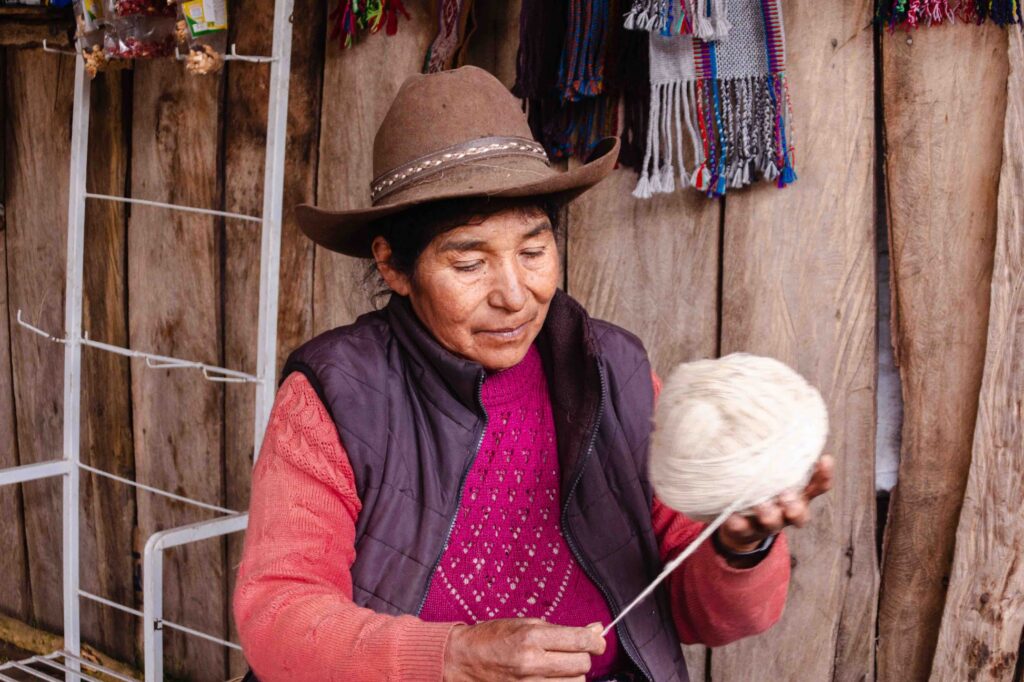
We’ll pedal among alpacas and glaciers, soak in the hot springs of Lares, explore Andean villages, and discover the true rhythm of Peru beyond the classic tourist circuit.

An experience designed for those seeking adventure, culture, and a genuine connection with the territory.

Higlights

A complete loop around Cusco

This is not a linear journey or a simple approach to Machu Picchu. It’s a circular route that links the Sacred Valley, the Andes, and the cloud forest, starting and finishing in Cusco. A coherent itinerary experienced as a true expedition, from beginning to end.

The great Andean crossing: Abra Lares (4,460 m)

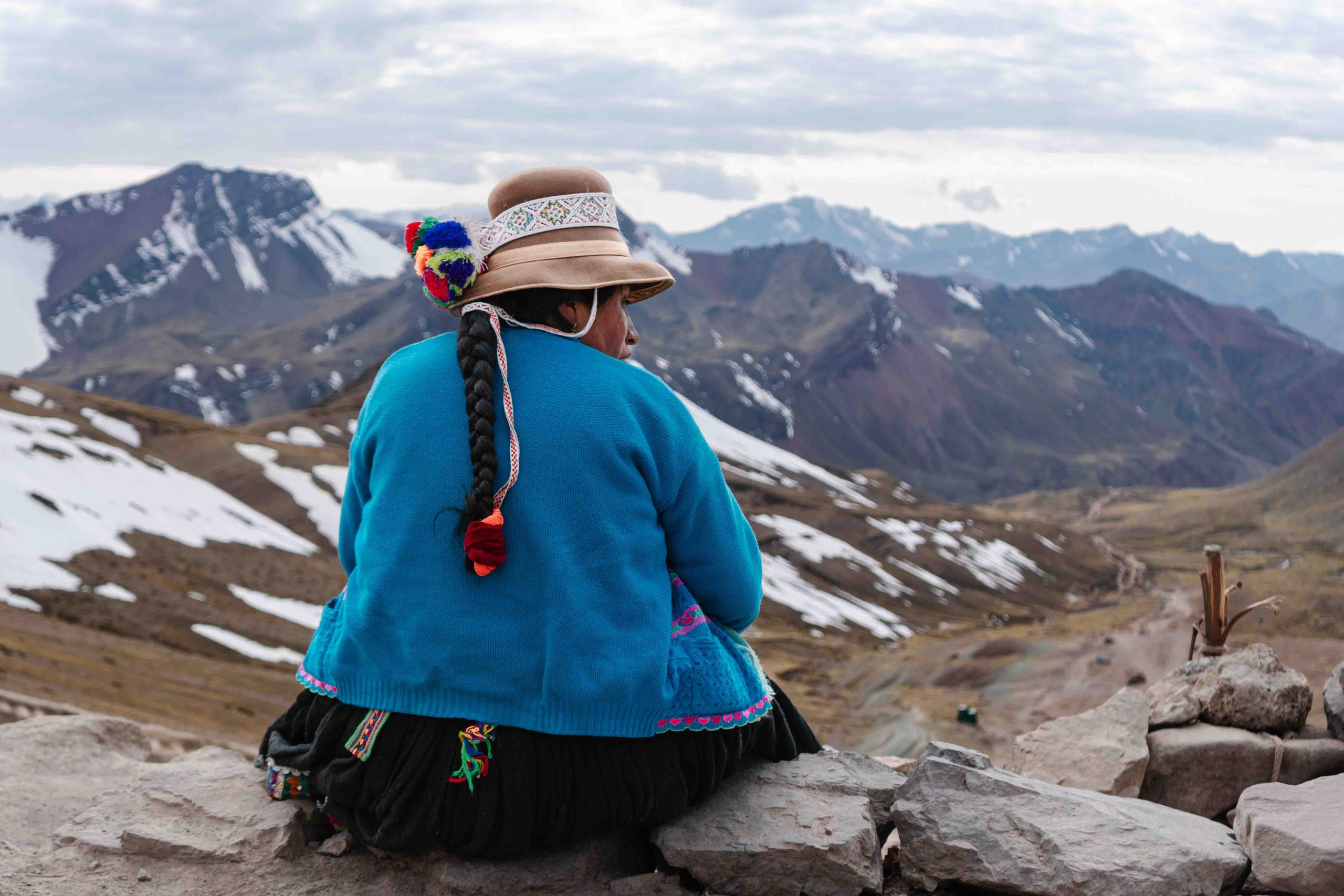
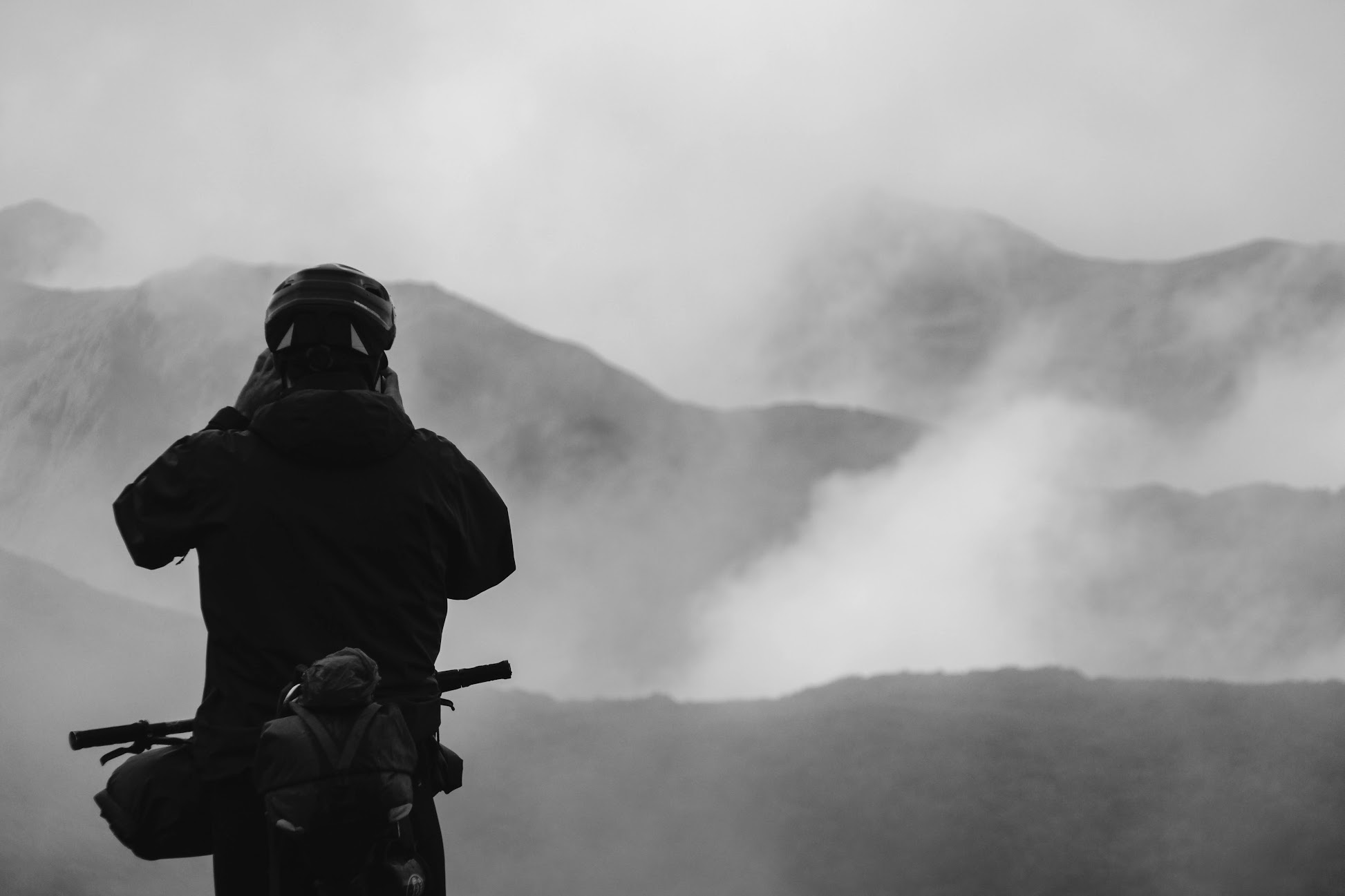
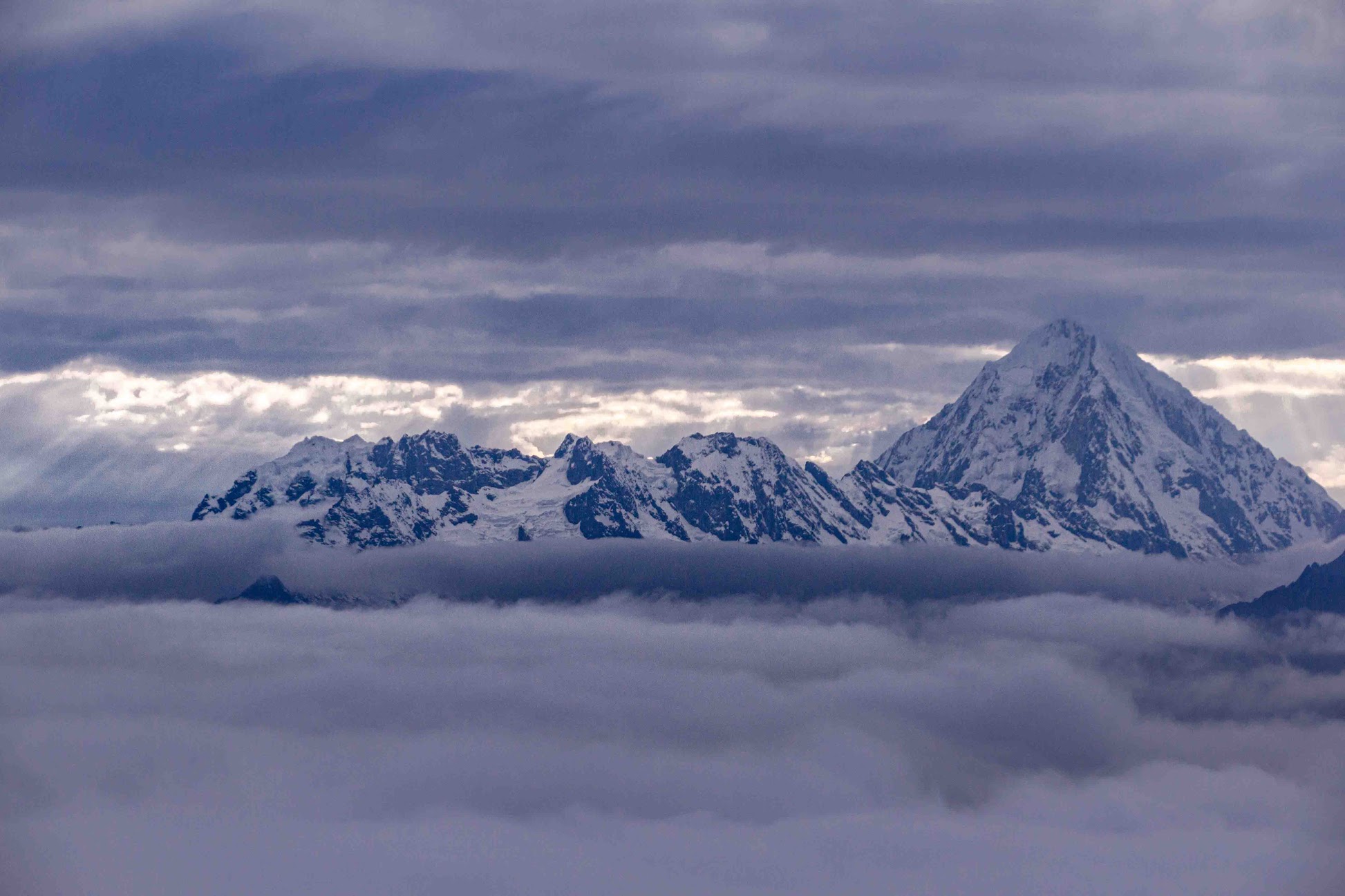
The stage that defines the journey. A long, demanding ascent to one of the highest points of the route, surrounded by snow-capped peaks, wide valleys, and alpacas. The reward comes afterward: a memorable descent and a night at the Lares hot springs, essential for both recovery and the overall experience.

From the Andean world to the coffee jungle

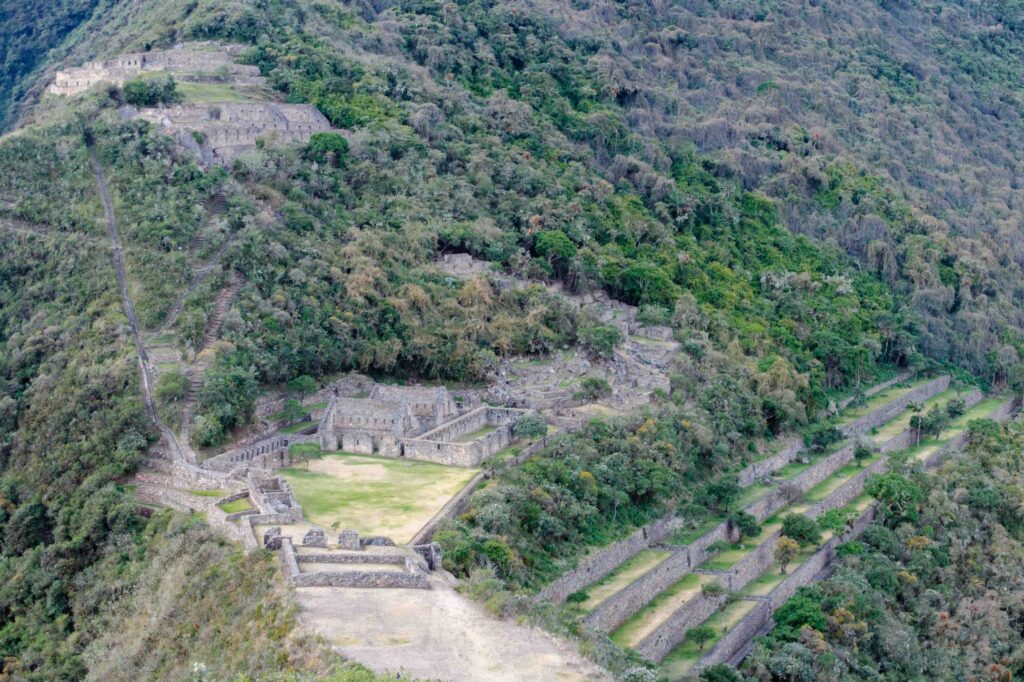
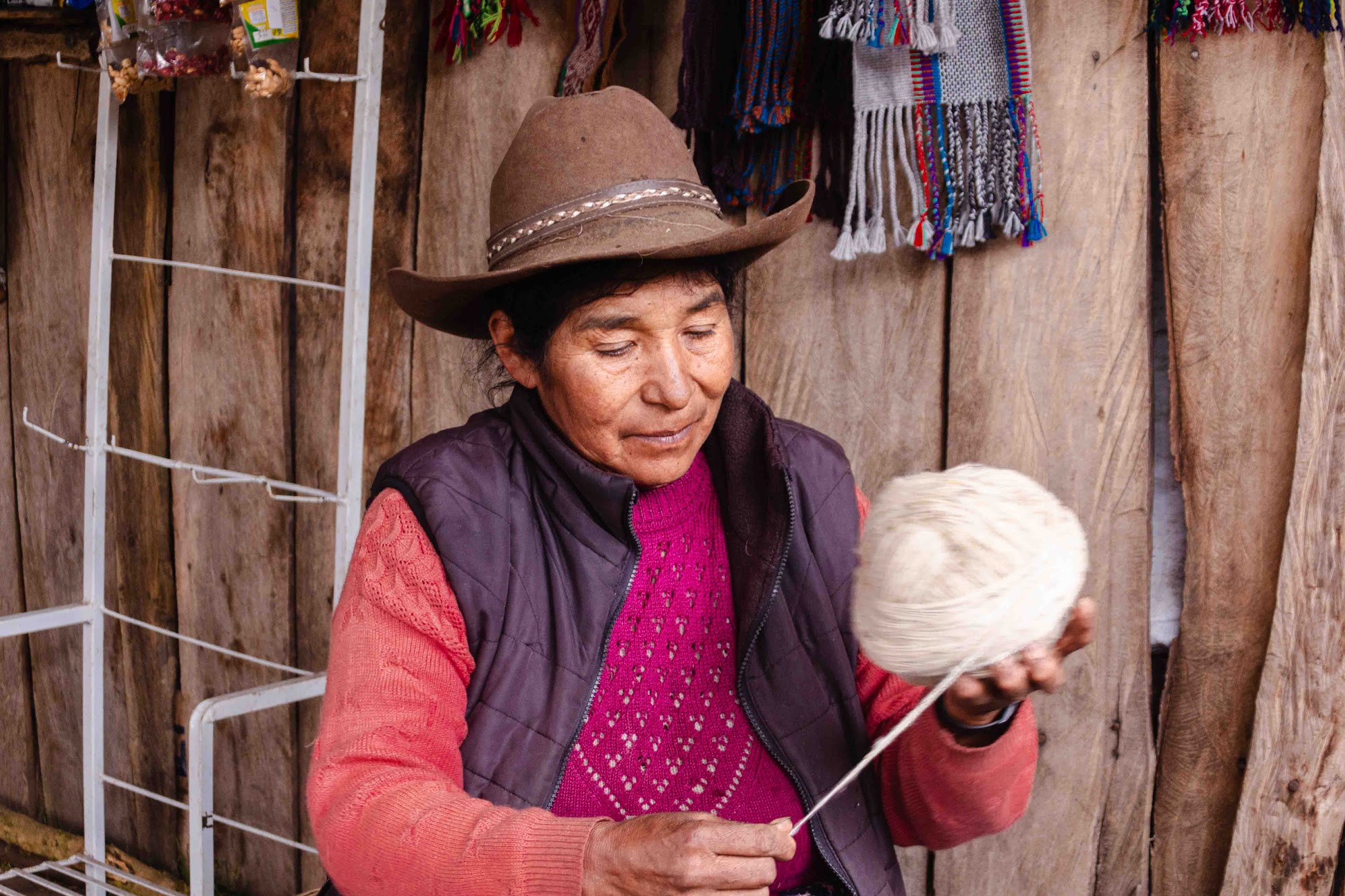
In just a few days, the landscape changes radically—from high mountain terrain to the cloud forest. We enter a tropical region where coffee and cacao shape local life. It’s not just a change of scenery, but a direct way to understand the land and the communities that inhabit it.

Machu Picchu, meaningfully integrated

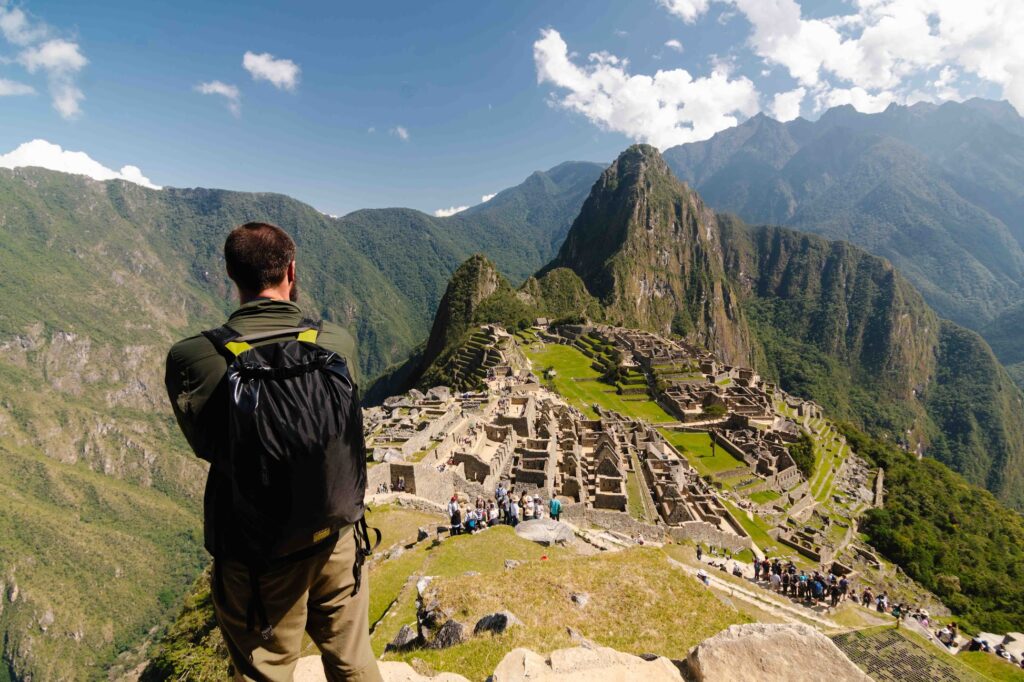
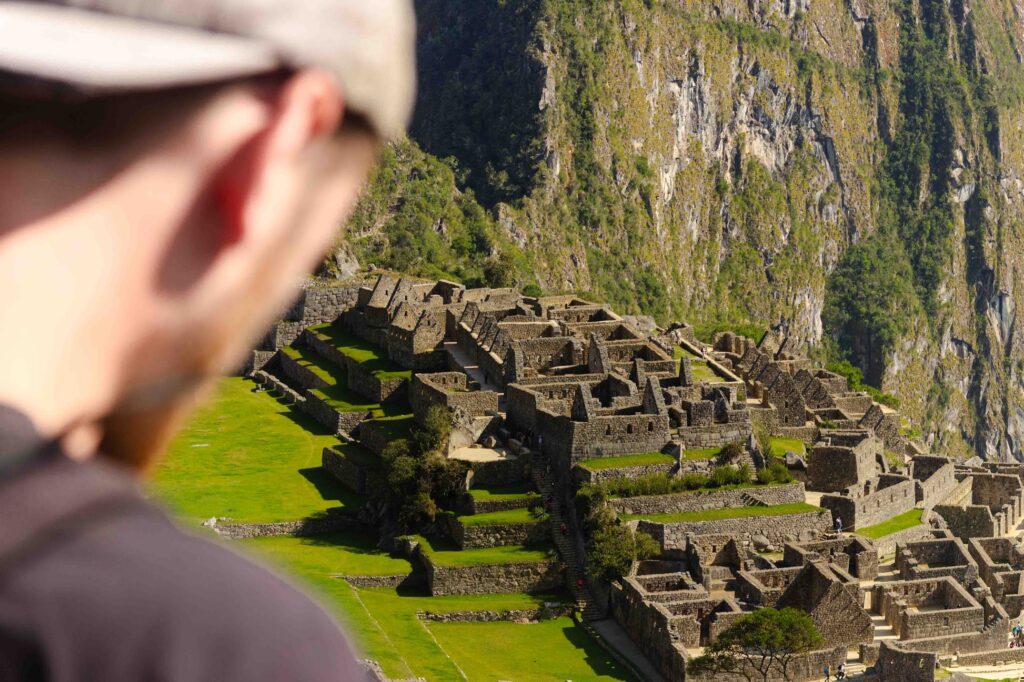
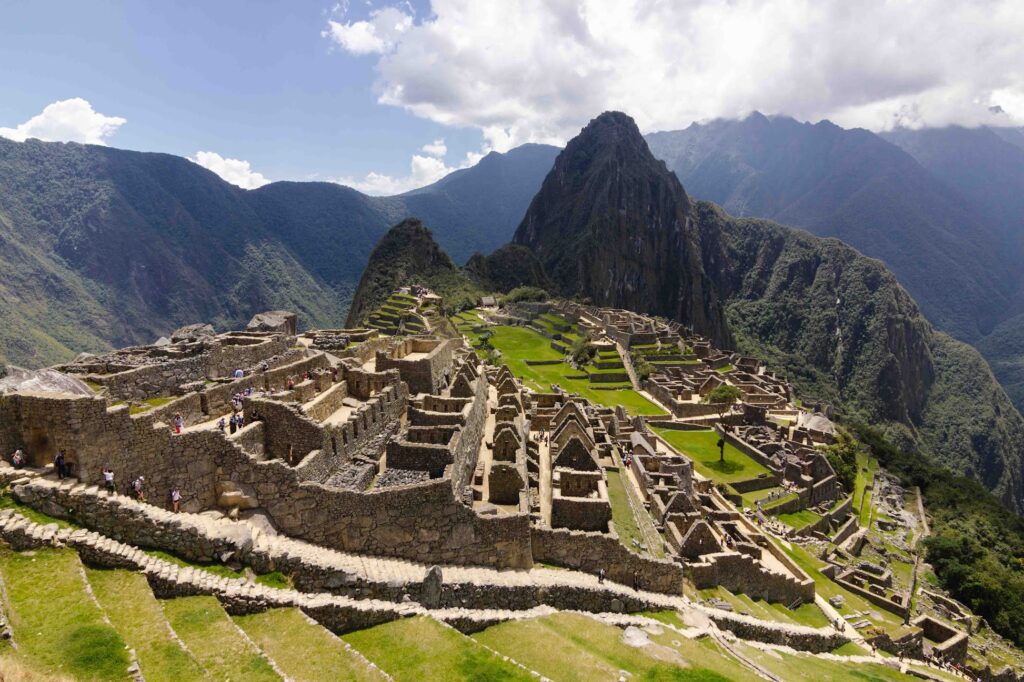
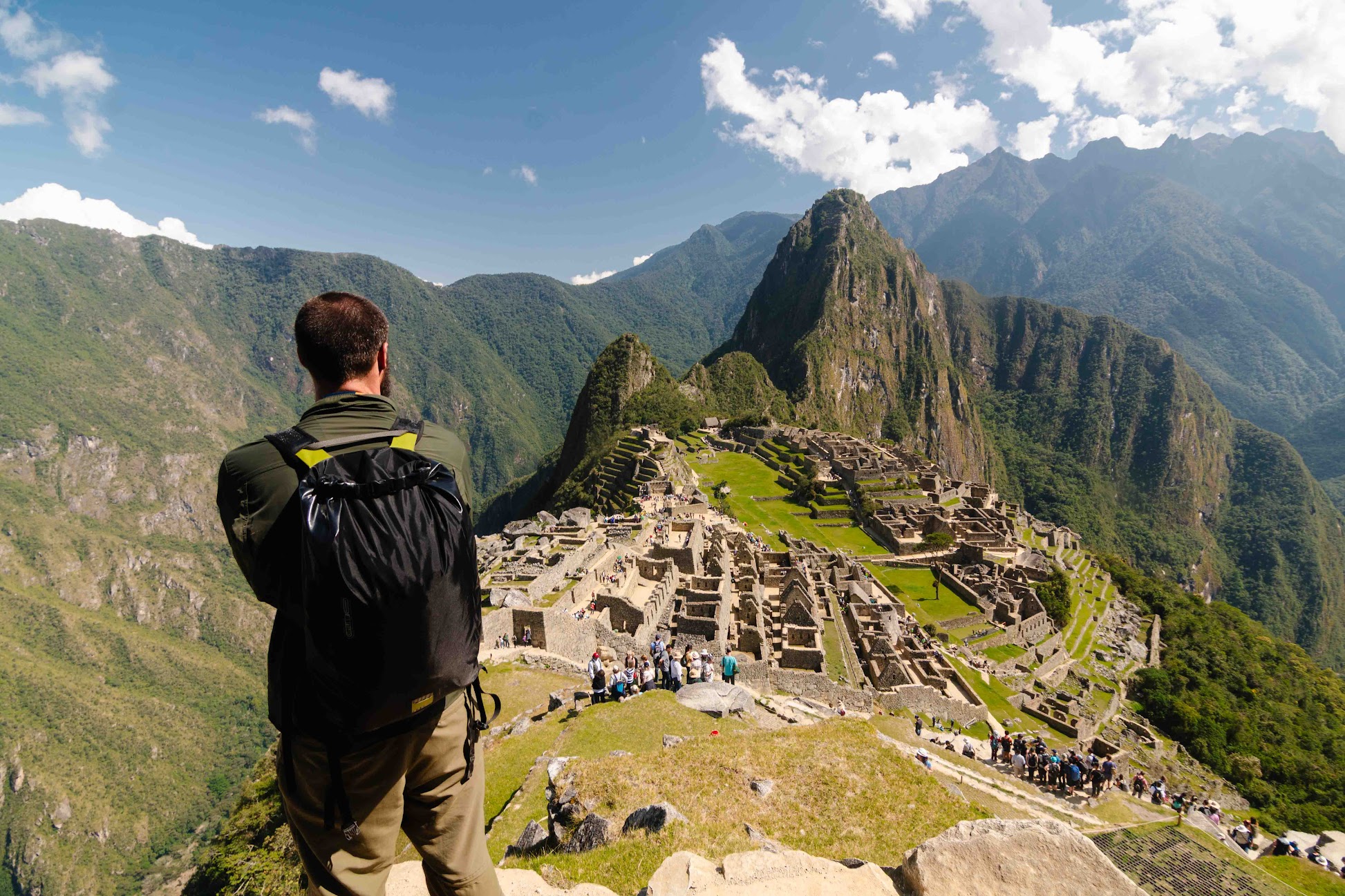
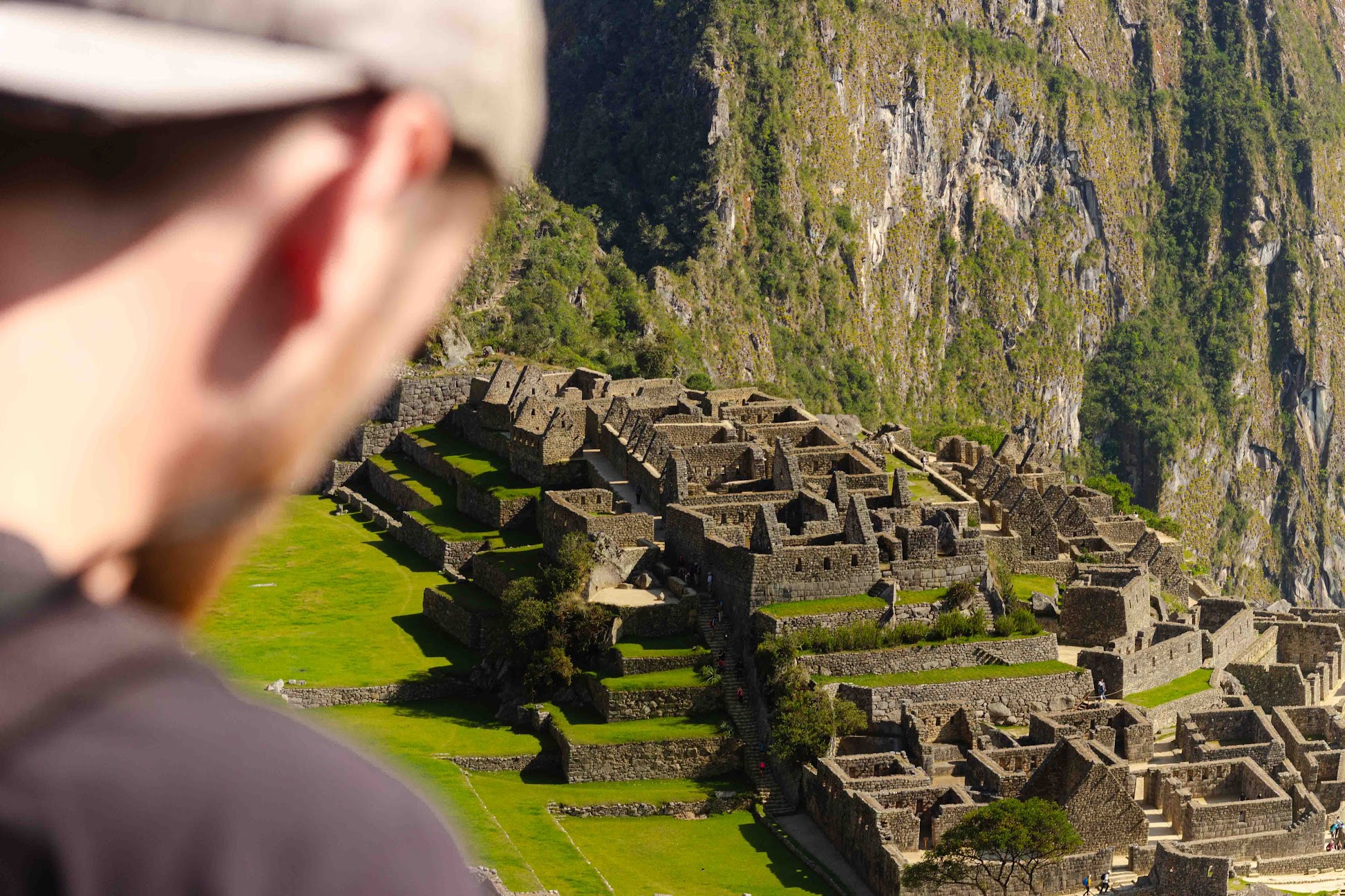
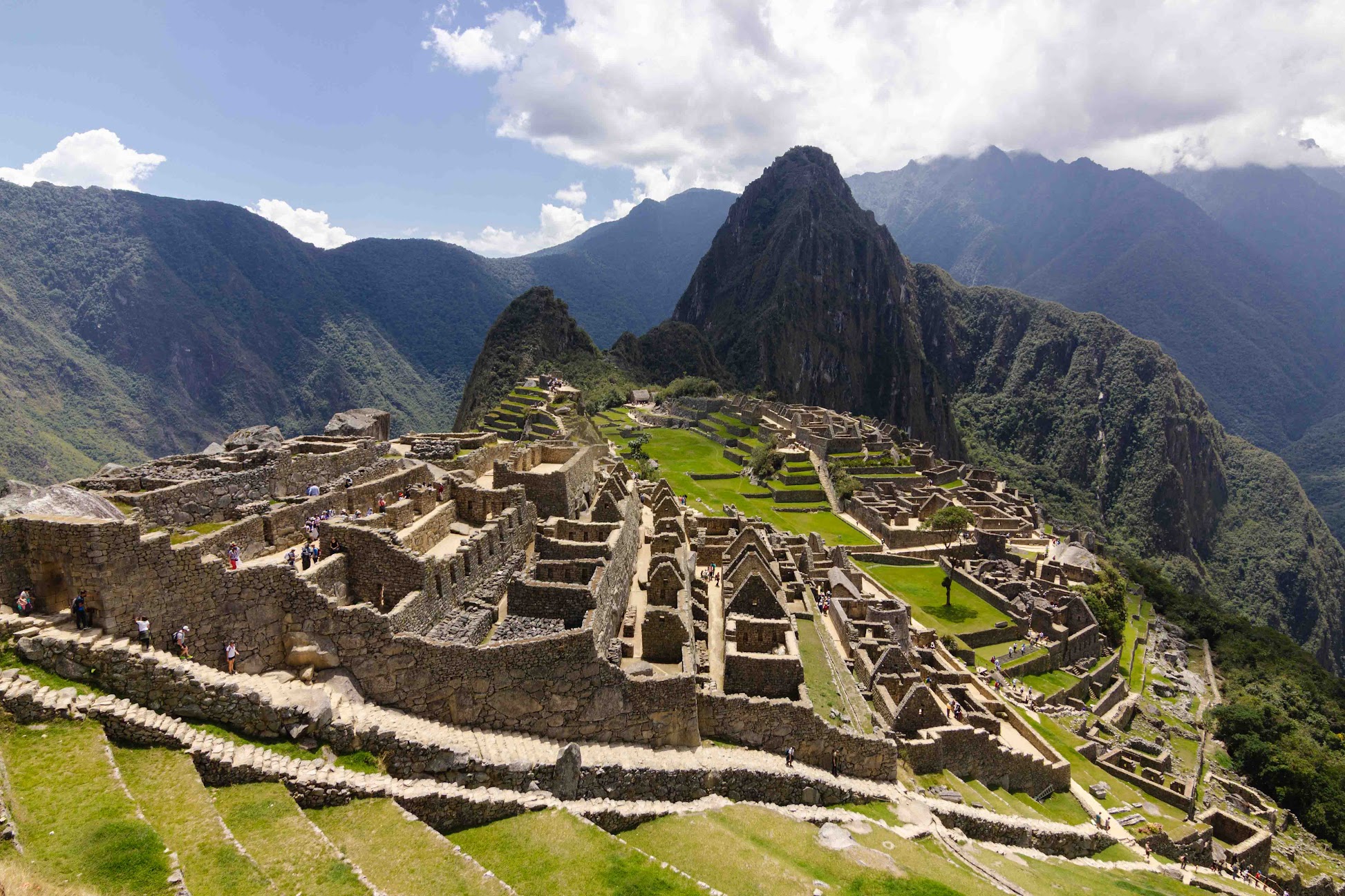
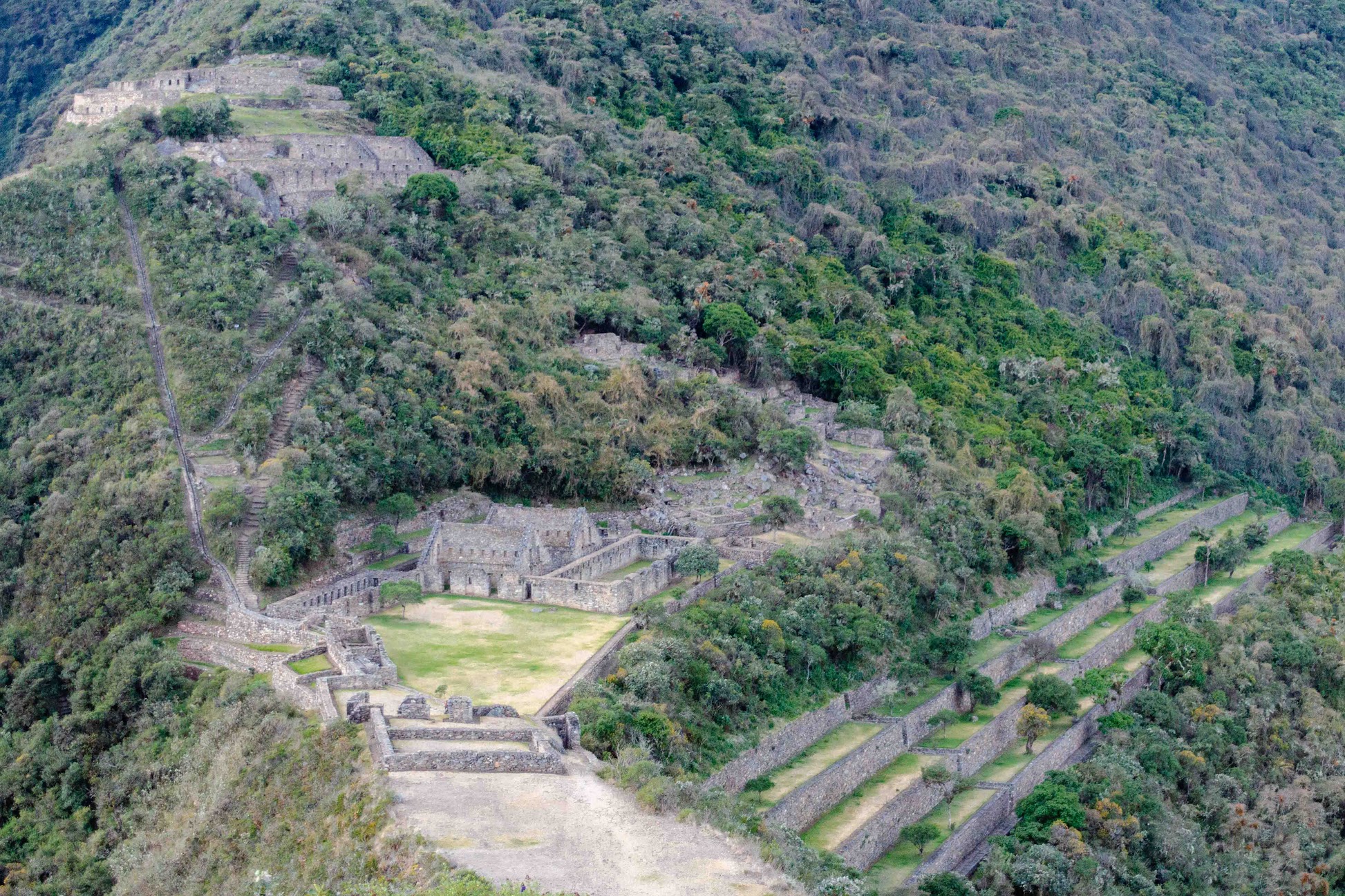
The visit to Machu Picchu is not the axis of the trip, but a key element within a much broader journey. Access is via an alternative route; the bike is left aside for a day, and the site is experienced as a cultural milestone within a far greater adventure.

True gravel, designed for altitude

Balanced stages, logical progression, constant support, and real time for acclimatization. A demanding yet accessible trip for cyclists with a solid base, where gravel riding is not an aesthetic add-on, but the best way to explore Peru far from crowded routes.


 

Welcome to the heart of the Andes

Arrival in Cusco, ancient capital of the Inca Empire and starting point of the trip. Our team will take care of transfers from the airport to the hotel.

In the afternoon, we will assemble the bicycles and check the equipment at our leisure. The rest of the day is free to rest and begin the acclimatisation process.

We recommend arriving in advance if you wish to adapt to the altitude even more gradually.

Acclimatisation, culture and welcome dinner

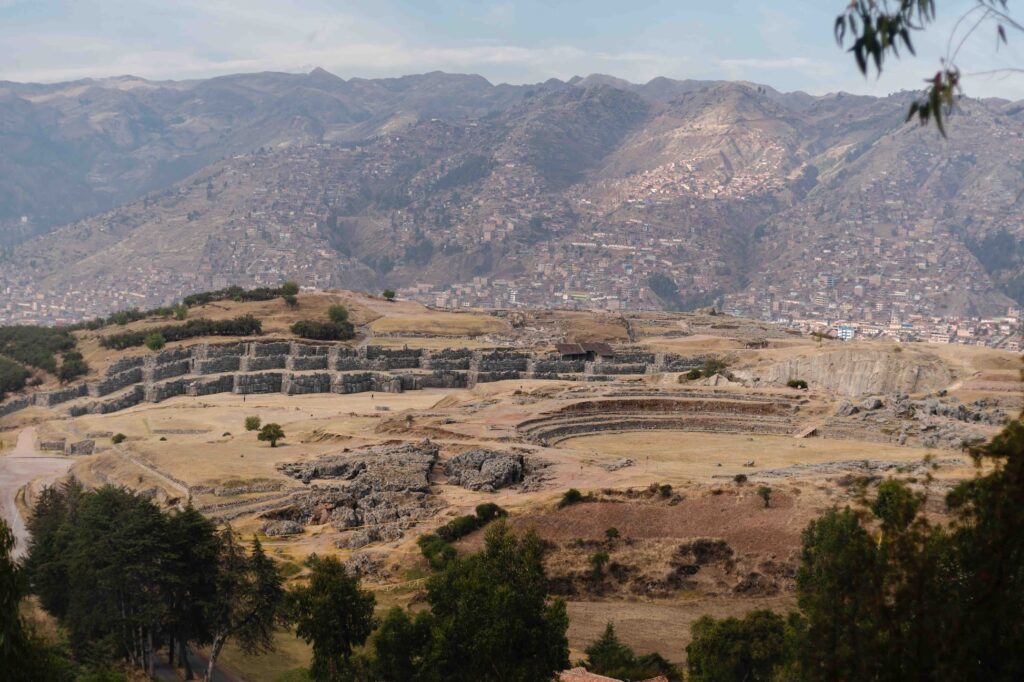
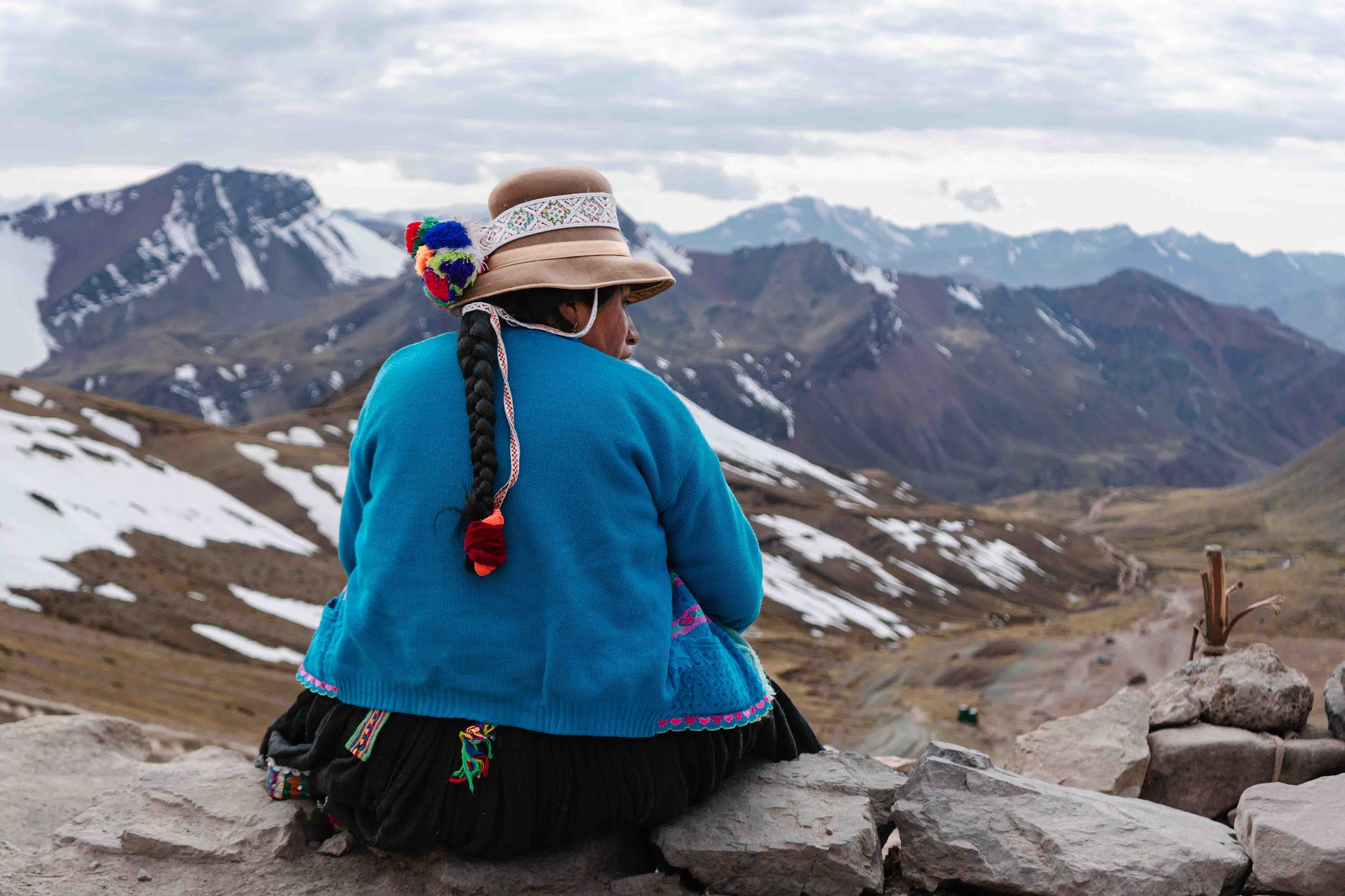
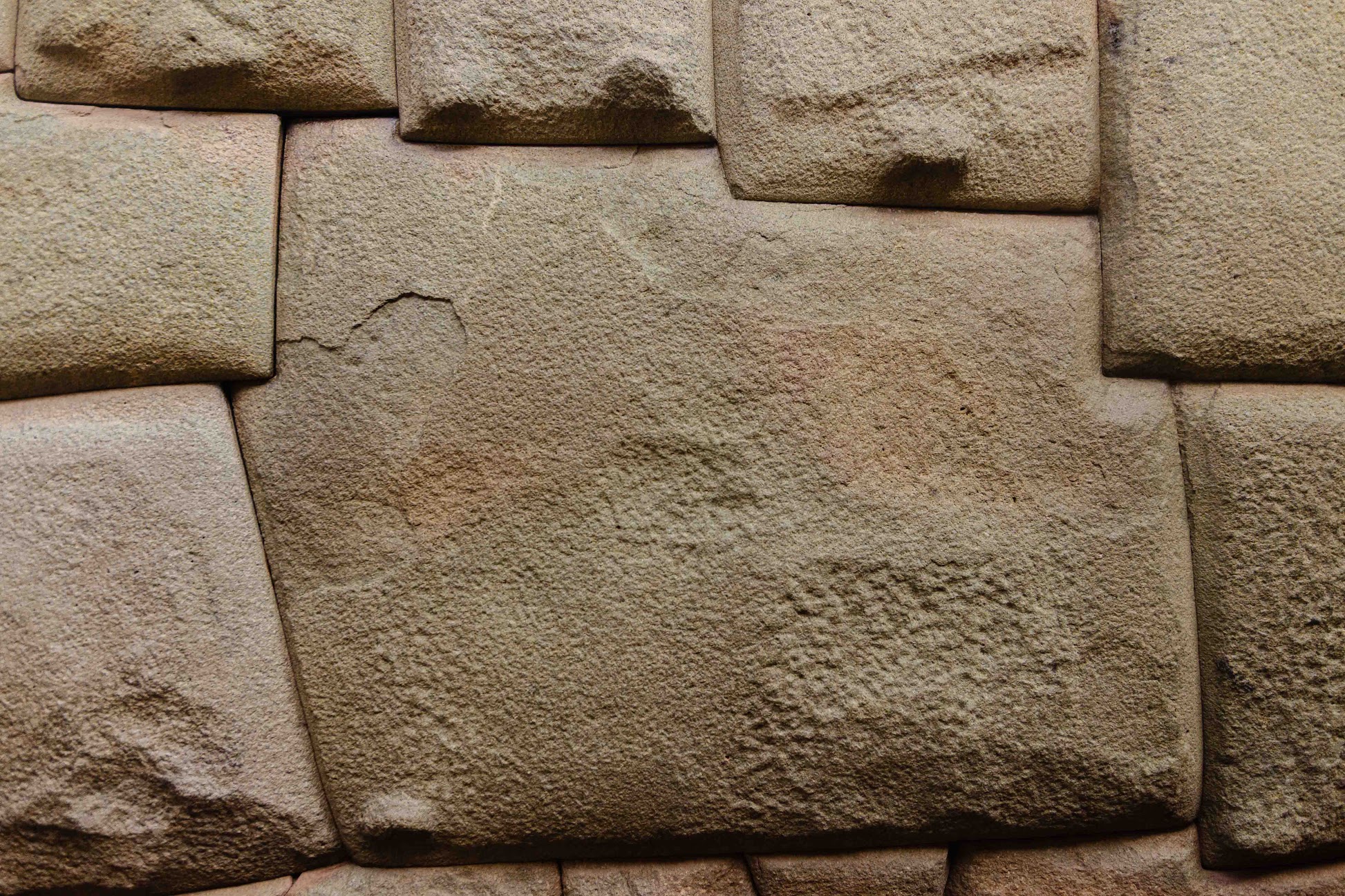
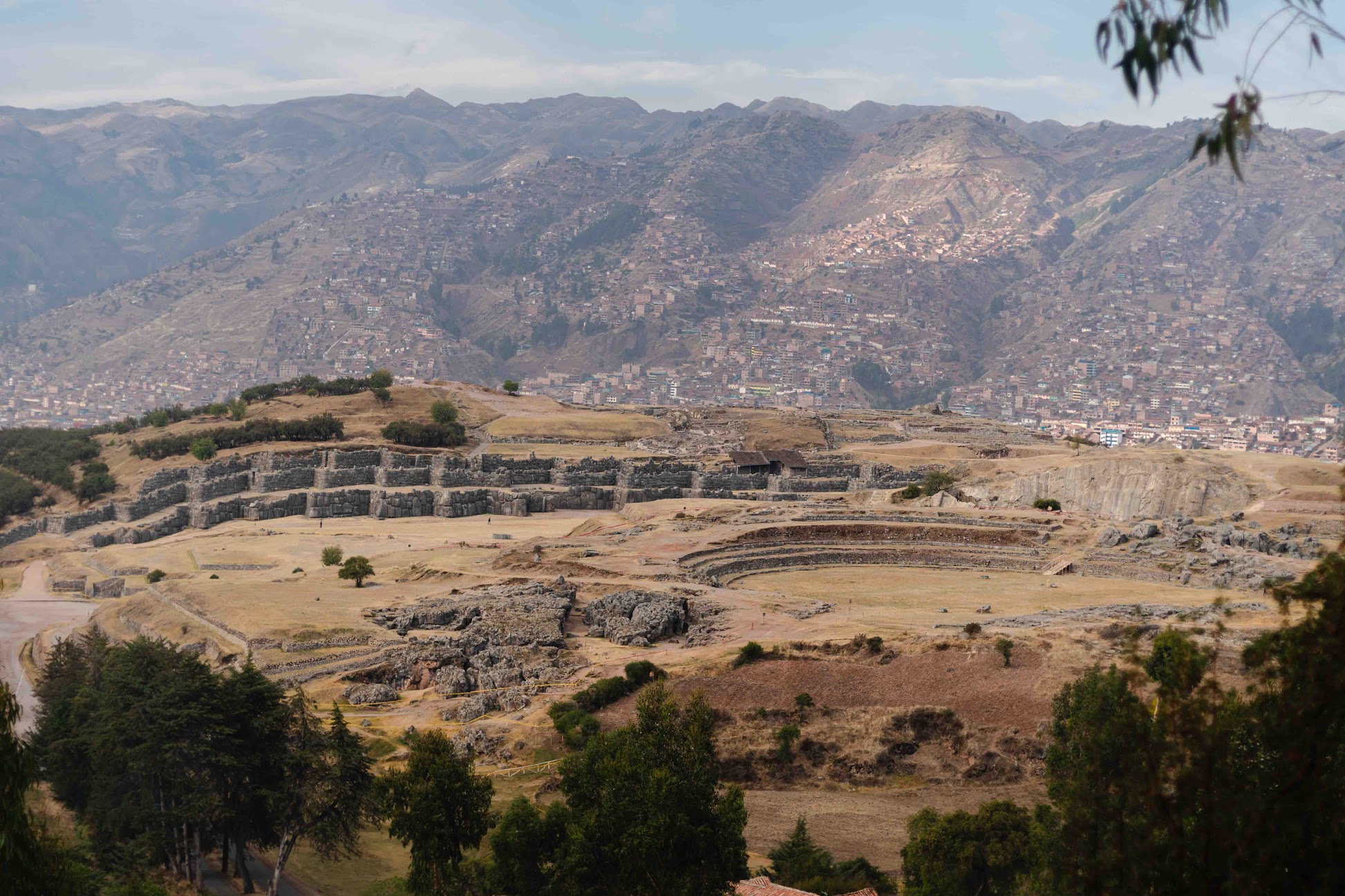
We spend the day exploring the city on foot, which is the best way to adapt to the altitude. We visit some of the main historical and cultural sites, combining Inca heritage and local life.

In the evening, we share a welcome dinner where we present the trip, the team and the route that awaits us.

First contact with Andean gravel

We avoid urban traffic by travelling to Laguna Huacarpay, an ideal natural setting to start cycling.

We cycle through farmland and small communities, following the course of the Vilcanota River until we enter the Sacred Valley of the Incas. A gentle stage to get a feel for the terrain and find our rhythm.

Cycling between history and mountains

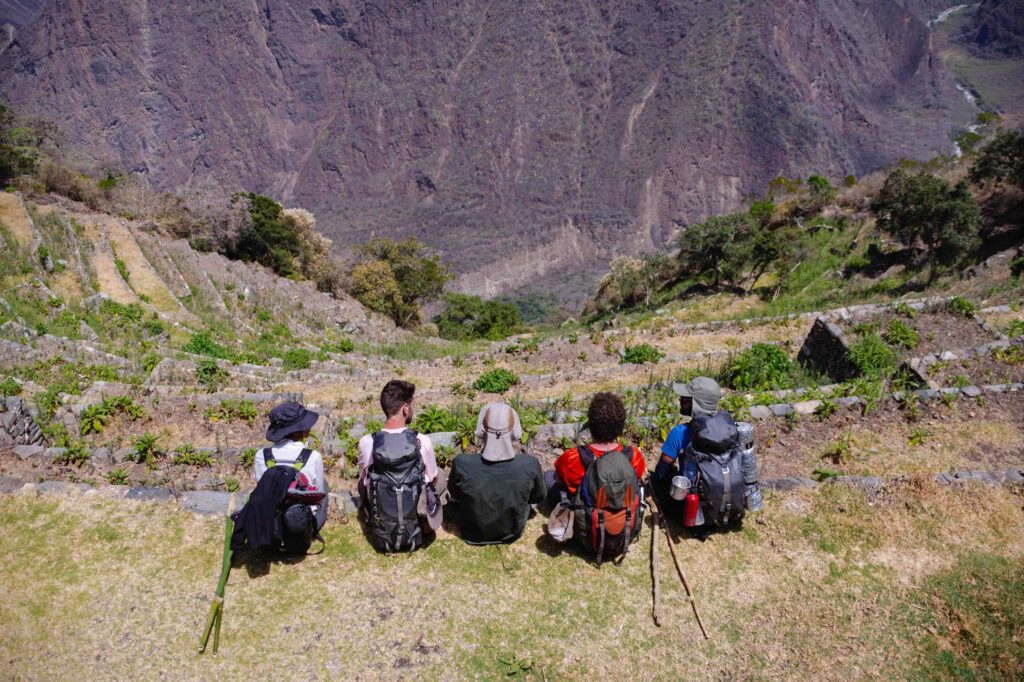
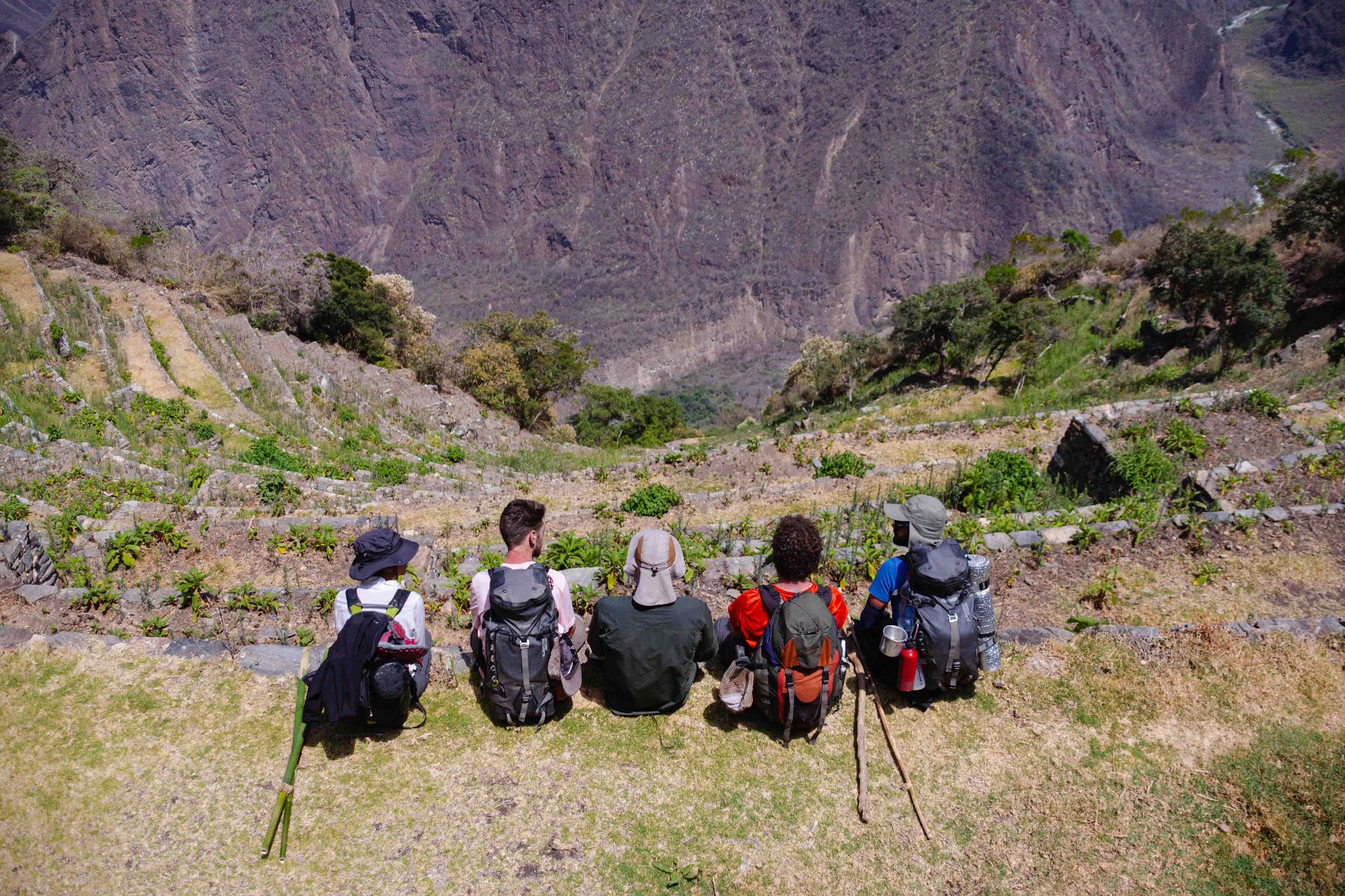
We follow the cycle path that connects the villages of the Sacred Valley, cycling alongside the Urubamba River and visiting ancient Inca agricultural terraces that are still in use today.

The views of the Urubamba Mountain Range accompany us throughout the day. We finish early to rest and prepare for the biggest challenge of the trip.

Crossing the Andes

We face the most demanding climb of the journey: crossing the Abra Lares pass. High mountains, wide open spaces and snow-capped peaks define the day.

After reaching the top of the pass, we descend into the Lares Valley. The day ends at the hot springs, a key moment of recovery after the effort.

From the Andes to the jungle edge

The landscape changes completely as we descend towards the jungle edge, a humid and vibrant region located on the edge of one of the most biodiverse areas in the country.

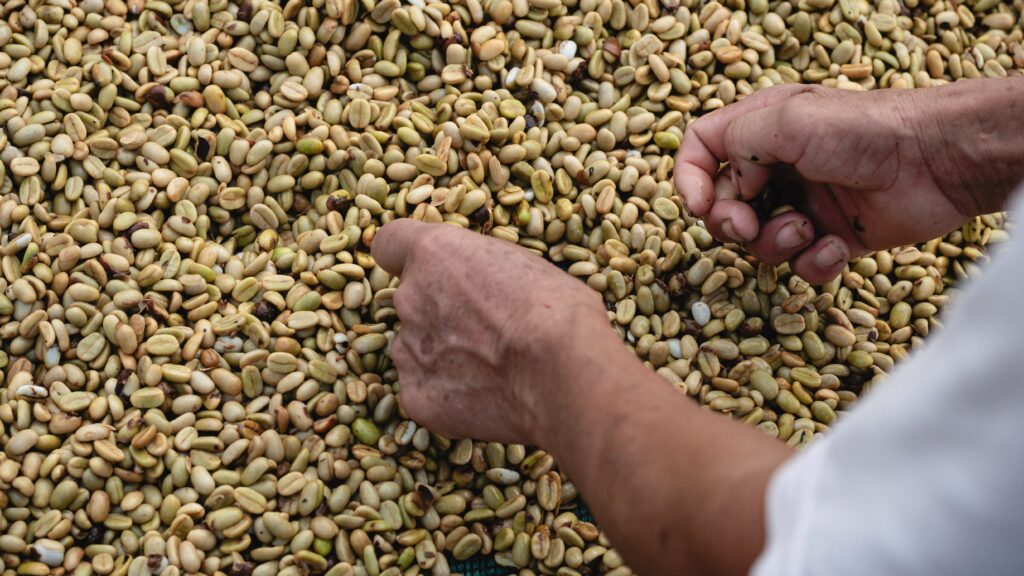
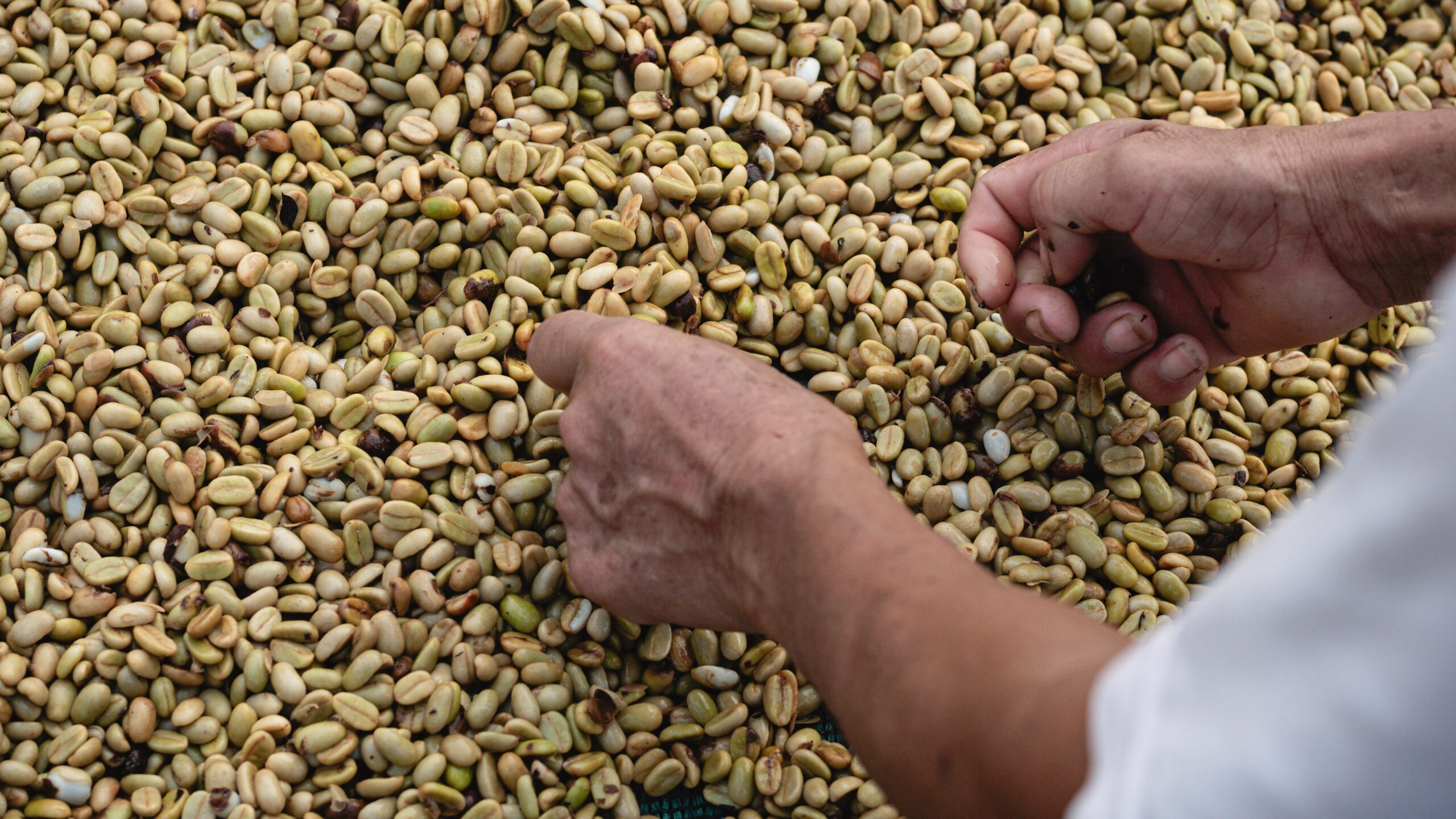
En route, we visit a local coffee farm, learning about the entire process and its importance in the region. We arrive at Quebrada Honda at sunset, with sweeping views over the valley.

Cocoa, rivers and tropical climate

A day of constant ups and downs between cocoa farms and tropical orchards. We visit local producers and sample local products.

From the lowest point of the trip, we begin the final climb to our accommodation, ending the day with a relaxed dinner by the pool.

The coffee capital

We drove along winding roads to Quillabamba, the epicentre of the coffee region. After lunch in the city, we continued on to Maranura.

We spent the night in a lodge surrounded by vegetation, enjoying the warm weather before returning to the mountains.

A day without bikes, a historic day

We left our bikes behind to reach Machu Picchu via a less travelled alternative route.

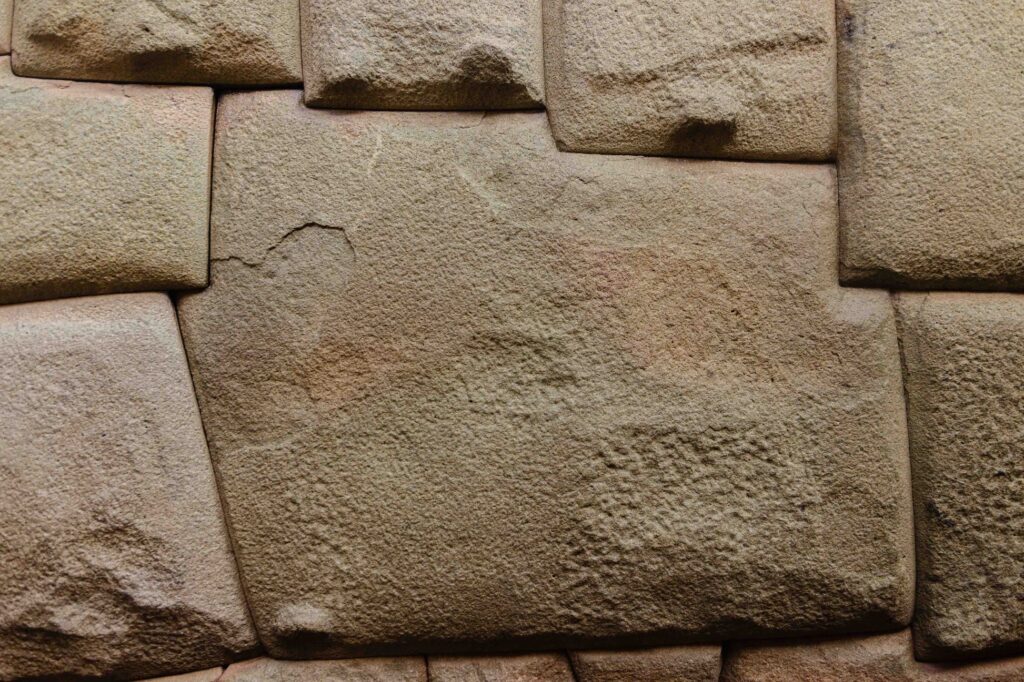
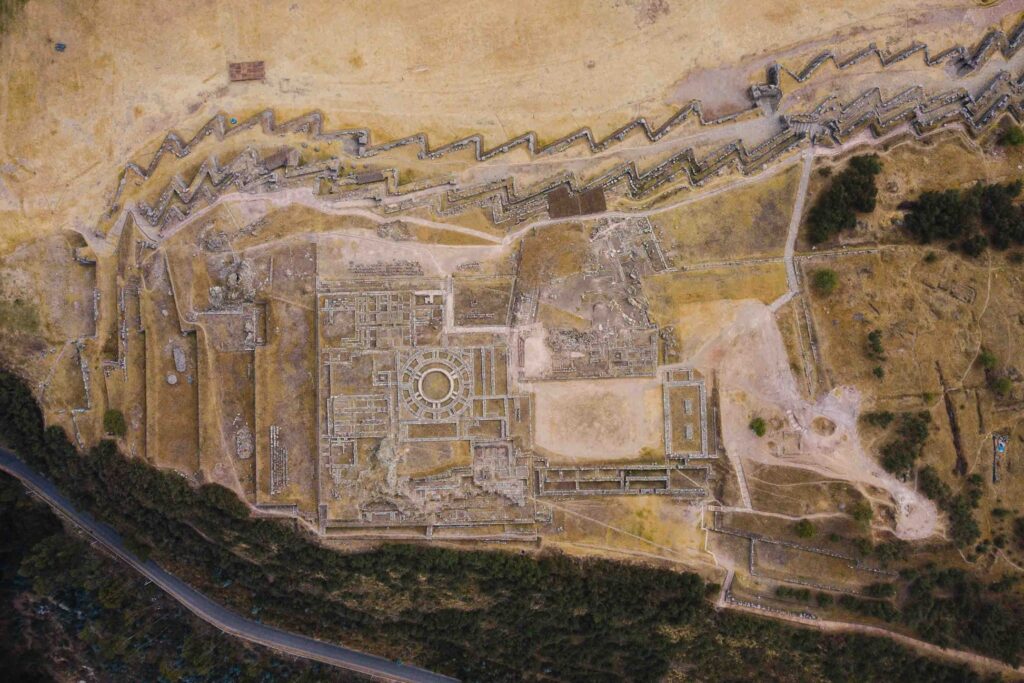
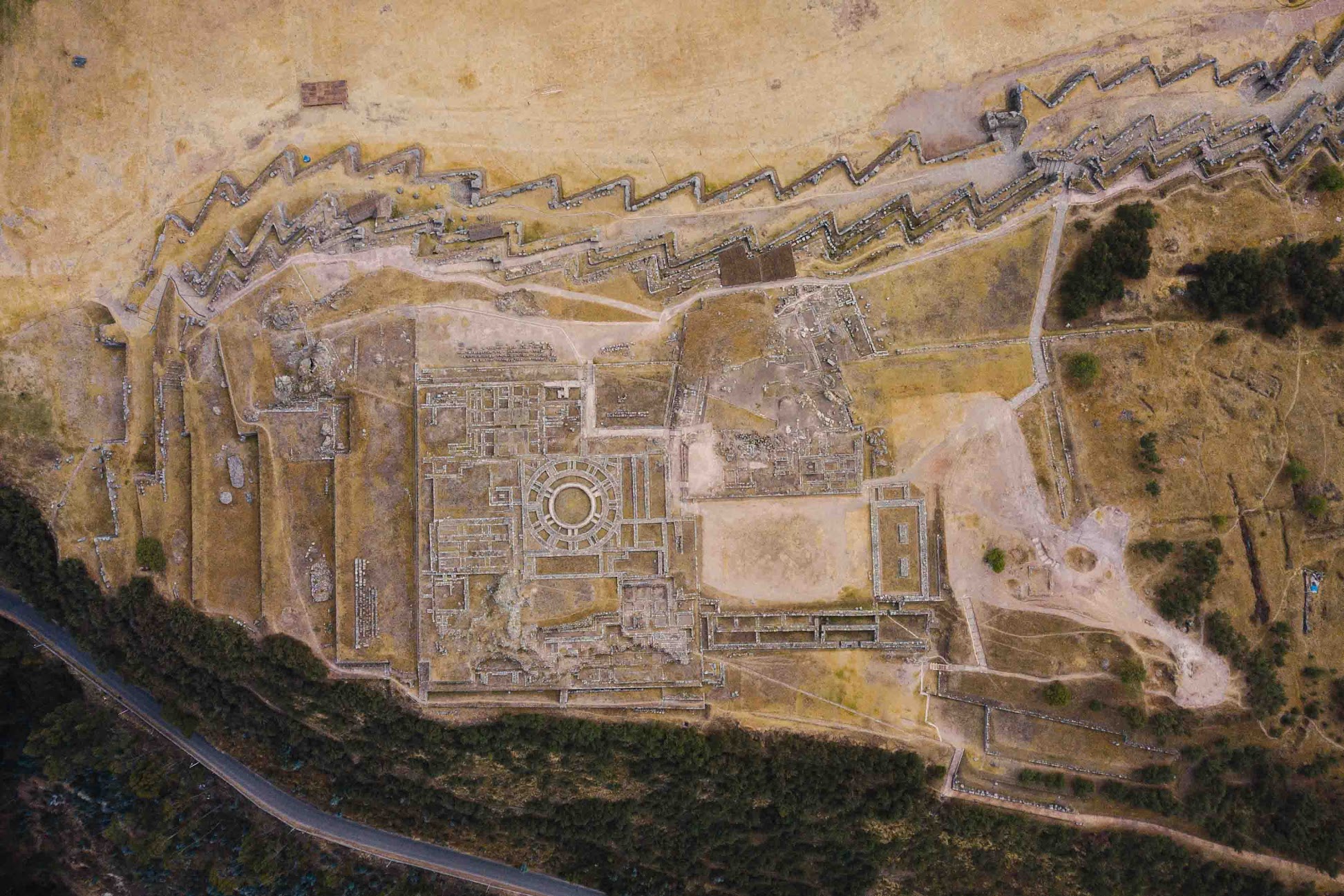
After the transfer and the train ride, we took a guided tour of the Inca citadel. In the afternoon, we travelled to Ollantaytambo, one of the best-preserved Inca villages.

Closing the circle

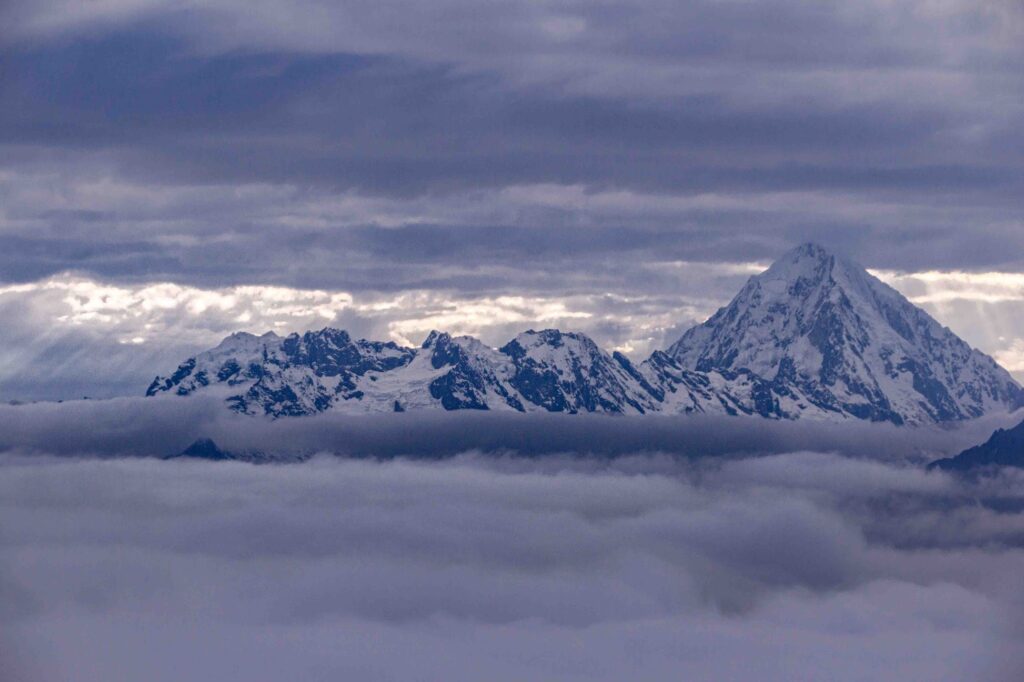
Last stage by bicycle. We ascend to the Maras plateau and ride between lagoons and Andean fields with views of Salkantay.

We return to Cusco, completing the circuit. In the evening, we celebrate the trip with a farewell dinner with the team of guides.

Day off

A free day to rest, explore the city, buy crafts or simply enjoy yourself at your own pace. A peaceful end to an intense trip.

Until the next adventure

Airport transfers throughout the day. The team assists with bicycle packing and logistics for those continuing their journey through Peru.

• ABRA will organise your hotel and airport transfer.
• ABRA services conclude here.

PRICE: € 3490

The price includes

Guided cycling experience

  • Expert local guides, certified in Wilderness First Aid (WFR)
  • (maximum ratio: 1 guide per 6 participants)
  • Full mechanical support throughout the journey
  • Support vehicle during all cycling stages
  • Guided city tour in Cusco
  • Guided visits to local coffee and cacao farms
  • Entrance fees to archaeological sites and experiences included en route (Ancashmarca and Lares Hot Springs)

Accommodation & meals

  • 2 hotel nights in Cusco upon arrival
  • Hotel and lodge accommodation throughout all stages
  • Daily breakfast
  • Dinners throughout the journey
  • Welcome and farewell dinners

On-the-road support

  • Water, fruit, and snacks during cycling stages
  • Emergency bike available for the group
  • Full first-aid kit, radios, and satellite communicator

Logistics & safety

  • Airport–hotel–airport transfers in Cusco (scheduled tour days)
  • Group travel insurance during tour activities

The price does not include

  • Flights and baggage fees
  • Bike rental (unless booked as an extra)
  • Meals not explicitly listed under “Inclusions”
  • Optional excursions or activities
  • Alcoholic beverages
  • Personal expenses
  • Any service not listed under “Inclusions”
  • Tips for guides, drivers, or local staff
  • Bike assembly and packing
  • Double room supplement
  • Guided Machu Picchu tour
FAQ

Designed for cyclists with a solid fitness base and experience riding consecutive days. Not a race, but a demanding adventure due to altitude and terrain.

A gravel bike with comfortable geometry and mountain-appropriate gearing is recommended. A large cassette (40–42T minimum) is strongly advised. Lightweight hardtails are also suitable.

No. Bike rental is available as an optional extra and can be arranged in advance.

Layered, versatile clothing for varying climates—from high-altitude cold to tropical humidity. A detailed equipment list is provided before departure.

Maximum altitude: approx. 4,460 m (Abra Lares)

Minimum altitude: approx. 1,200 m (Echarate)

The journey begins with two nights in Cusco and gentle initial stages. Pace is controlled with constant guide support.

Mostly rideable gravel and rural roads, with some paved sections. Non-technical but physically demanding.

The vehicle accompanies all stages, carrying luggage, food, and water, and providing assistance when needed.

No cycling. Bikes are transported while the group visits Machu Picchu via an alternative route.

Small groups of up to approximately 12 riders, maintaining a 1:6 guide-to-rider ratio.